20 Good Suggestions For Picking Termite Extermination Services In Jakarta
Wiki Article
Jakarta Homes: Subterranean Termite Defense
Walk through any Jakarta neighborhood--Menteng, Kebayoran Baru, Kelapa Gading--and you will see them: door frames swollen at the base, fine brown lines climbing foundation walls, tiny pinprick holes in skirting boards. Many homeowners believe that this is simply wear and tear. However, this isn't the case. It's a sign that a colony of termites subterranean has already been infiltrated and is feeding 24/7, 7 days a weeks and is fueled by Jakarta's constant humid climate and the invite that was accidentally extended by modern construction methods. To protect the security of a Jakarta property, it is necessary to abandon the pest-control methods taught in manuals imported from the United States and instead adopt those which are specifically designed for the specific species of soil, climate, and species of the city.
1. The Door Frame and Window Virus
Jakarta termites can't burst concrete slabs. They enter close to the top of the person's height when concrete meets wood. Around half of all documented termite attacks happen in windowsills, door jambs and wooden frames encased within brick walls. The wrong battle is being waged by anti-termite service providers who come to your residence with injection rods and drills aimed at the floor slab. The real fight is at waist level, where water collects on glass and gets absorbed into untreated wood.
2. Four Species, One City, Different Rules
Jakarta has four distinct species of insects that live in subterranean soils, but they don't behave the same manner. Coptotermes stroi is a structural intruder that is aggressive. Microtermes nsperatus is the dominant species, however it is less destructive. Macrotermes gilvus builds visible mounds in gardens. Coptotermes gilvus prefers trees that are alive, however, they will invade homes when they run out of wood. They cannot be selected by pest control workers who are not able to tell them apart.
3. The Six-Week Truth
A colony cannot be removed in a matter of hours. It can take up to eight weeks for the poison to move through the colony. Pest control firms that advertise 24/7 eradication utilize contact poisons that kill only the foragers. The reproductive nucleus is left untouched.
4. Above-Ground Power Stations A Revolution in Everything
The perimeter bait stations can be useful to monitor the problem, but they are not effective when it is already beginning within the building. Above-ground station--small cartridges with baits that are locked directly onto mud tubes --force toxicant to the colony highway. Jakarta exterminators selling inspection without above-ground treatment aren't carrying above ground stations.
5. The Soil Moisture Trap
Jakarta's silty clay soils retain water. Termites prefer soils with water content of more than 22 percent. If you inject chemical termiticides without first assessing downspout discharge and irrigation overspray or assessing drainage issues then you're putting costly poison into the environment that termites enjoy.
6. Pine Stake Forensics
Professional Jakarta exterminators remove untreated Pinus merkusii stakes along the perimeter, before suggesting treatment. After 30 days, they break the stakes out and weigh them. A weight loss of more than 30 percent suggests high foraging, and requires intervention. This is not guesswork; it's a calibrated entomology available to any competent service provider.
7. Green Belt Hazard
Nine Jakarta sub-districts carry extreme termite risk: Penjaringan, Pademangan, Palmerah, Kebayoran Baru, Jagakarsa, Pesanggrahan, Kramatjati, Duren Sawit, and Cipayung. These areas share one characteristic--significant remaining green space that sustains parent colonies. The zones require that homes be inspected quarterly and continuously being baited. Annual contracts are insufficient.
8. New constructions aren't safe
Termites adapt to urban development. They nest in fill soil imported to build new housing estates. They graze in utility ditches and colonize the landscaping for irrigation that developers put in. The recently constructed home in BSD also known as Bekasi it isn't a blank canvas; it's a termite colony that was ready to go into business from the moment the first tree was planted.
9. Short-Rotation Teak Is Not the same as your grandfather's Teak
The oil and silica in traditional Javanese teak plantation that is harvested after 60 years old are an insect repellent. Modern plantation-grown teak, harvested after 15 years, is not. Many of the "teaks" employed in modern-day homes in Jakarta are identical in botanical form however, they are chemically, they are not mature. Many homeowners who pay premium prices to purchase termite-resistant wood receive wood that termites can enjoy.
10. The Mud Tube Forensics Rule
Never scrape or sand a tube of mud without first verifying the contents. The tube's beginning point can be used to locate the soil entrance zone. Its diameter is correlated with the age of the colony. Its location (bathrooms or kitchens are good indicators) will tell you the source of moisture that sustains the infestation. As with erasing the video footage and not viewing it, damaging the tube is similar to eliminating it without even reading it.
You can also read our conclusion.
Jakarta homes are not threatened by an invader. These homes are occupied and are adapted by residents to the conditions in this city. The species has been identified. Maps are created to show the pattern of attacks. The timelines for treatment are analyzed. The only variable left is whether the homeowners and anti-termite service they contract will abandon generic pest control myths and adopt the protocols Indonesia's subterranean termites have caused researchers to verify. The evidence is there. It's your choice whether or not to make use of it. Take a look at the top rated jasa pembasmi rayap for blog examples including pembasmi rayap, cara basmi rayap kayu, jasa anti rayap surabaya, rayap pekerja, penyebab rayap di lemari, jasa basmi rayap, pengendalian hama, pembasmi rayap kayu, anti rayap kayu, pest control jakarta selatan and more.
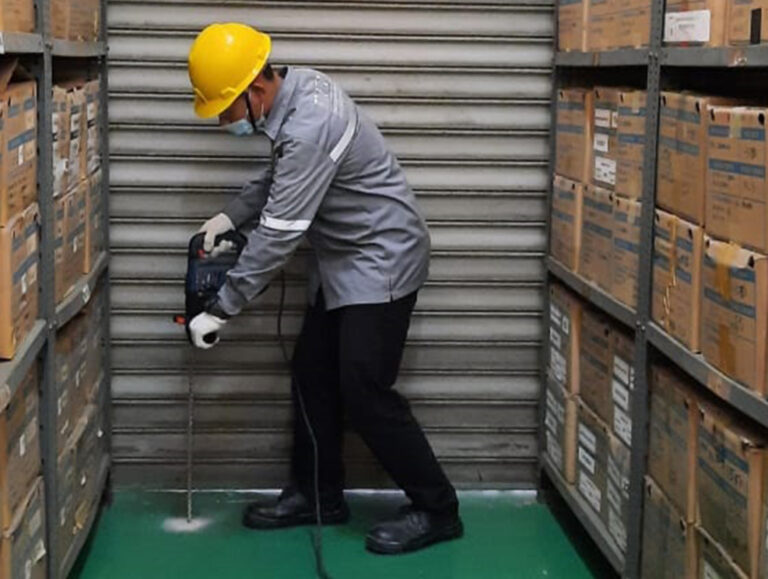
Coptotermes Gestroi - Jakarta Extermination Guide To Termites
Coptotermes stroi isn't just the most destructive species of termite which infests Jakarta homes. It is also among the least understood. Imported pest management literature provides Coptotermes a subterranean group that needs constant contact with soil. But, Jakarta exterminators often find gestroi nests in ceiling spaces, wall cavities and furniture. They are suspended three stories above the ground, with no visible connection to earth. This isn't a strange behavior. It's the species’ defining survival strategy. Coptotermes gestroi developed in the Southeast Asian monsoon climate which is where the seasonal flooding flushes soil colonies away from their nests. The species that could construct satellite nests that were above the flood level survived. People who were unable to endure were killed. Jakarta's Coptotermes gestroi which is 60 million years old, still retains the genes. It doesn't need soil. It needs water, wood, and an exterminator that knows that treating the ground and ignoring the aerial colony guarantees failure.
1. Coptotermes Gestroi Establishes Autonomous Aerial Colonies
Coptotermes geostroi, as opposed to Reticulitermes (which dies within days of being separated from soil) makes nests of cardboard made of fibrous amalgams saliva, wood and feces that retain humidity and retain constant moisture within. They function as separate living support structures. Once a colony has been established within the roof void or the wall space of a structure There is no reason to contact the ground again. Exterminators who treat the soil, but do not consider the nest in the air are only managing foraging, but not eliminating infestation.
2. Carton Nest Detection Requires Acoustic or Thermal Imaging
Coptotermes gestroi carton nests are concealed within structural voids. Nests are not able to produce Mud tubes. They produce acoustic and detectable moisture emission. The termite management services in Jakarta that cater to the top-end residential segment are required to employ thermal imaging cameras, along with acoustic detectors. Visual inspection alone confirms less than half of the active infestations.
3. Bait Transfer Efficiency Exceeds Other Subterraneans
Coptotermes gestroi exhibits exceptionally efficient trophallaxis--mouth-to-mouth food sharing--compared to Microtermes and Macrotermes species. Toxicant introduced to 0.1 percent of populations foraging increases to 90% within 14 days. The gestroi is susceptible to baiting due to this peculiar behaviour. Exterminators who have poor outcomes are using substandard bait matrices, or fail to maintain the station moisture.
4. Gestroi
Stations located on the outside of the nest intercept gestroi as they move between feeding areas as well as the nest. Above-ground bait stations secured to active mud tubes stop foragers from transferring between nest and feeding stations. If gestroi nest in the air, and are feeding only on the structure, then the perimeter stations will see no traffic. Above-ground station are mandatory as they are the only means to take action.
5. Gestroi Alates Swarm, November through February
Coptotermes gestoli, an invasive species of cockroaches from Jakarta has a high concentration of its reproductive flight during the dry period between November between November and February. Many thousands of alates emerge out of mature colonies, shed their wings after a few minutes of flight, and seek partners in decaying wood, soil cracks, and structural gaps. Each mating pair could lead to a new colony. Companies that do not warn homeowners of the dangers associated with swarming are missing an opportunity to convert proactive treatment into preventive contracts.
6. Swarmers are not indicative of the possibility of a new location for infestation
Homeowners can see winged termites emerging from windows, baseboards, or light fixtures and believe that the colony is situated exactly at this point. This is not the case. The colony may be evicted by way of exploratory tunnels or emergence points located meters from the nest. Exterminators who inject and drill in swarming locations without tracing the tunnels' network back to the nest are only applying cosmetic treatment.
7. Gestroi Foraging Range Exceeds 100 Meters
Coptotermes gestrii colonies maintain foraging zones that extend beyond 100 meters from their nest. A single colony can be capable of infesting multiple structures on the same property. The adjacent gardens, homes, retaining walls and street trees can be linked via underground tunnels. The exterminator who treats only the infested buildings while ignoring the landscape reservoir is a sure method to ensure re-infestation.
8. Moisture is the True colony anchor
Coptotermes Gestroi nests are chosen based on moisture, and not on the species of wood. Roof flashings that leak, condensation within unventilated ceiling spaces, and capillary rising in masonry are all sources of humidity for aerial carton nests. When exterminators eliminate the colony, but do not identify and fix the cause of the moisture the problem, they only treat the effects. If the conditions are improved, then the colony is likely come back.
9. Sublethal Exposure Can Lead to Bait Aversion
Foragers of Coptotermes getroi who are subjected sublethally to specific termiticides may develop an abstention. They stop feeding on bait matrices containing that active ingredient, and also recruit their nestmates to avoid the poison. Exterminators, who do not change their bait stations that are old using the same bait formulation, or apply doses too low, could be tempted to select bait resistant species that forage.
10. Colony Elimination Confirmation Requires Negative Feeding
After being eliminated, Coptotermes gestroi colonies leave behind desiccated mud tubes and nests constructed of cartons which have been abandoned and no food activity at monitoring stations. Exterminators who say they have eliminated colonies but do not provide the post-treatment monitoring for 90 days have certified absences based on incomplete information. Homeowners who sign these certificates are exposed to undetected colony recovery.
Conclusion
Coptotermes is the largest Jakarta-based urban pest. This isn't because it's invulnerable however, rather its biology is systematically misunderstood. The species isn't dependent on contact with soil. It constructs its own autonomous aerial habitats. The nest is not revealed by the surface. The it is hidden in voids in structures. It is not a reliable response to perimeter baiting; it requires above-ground stationing in areas of active feeding. It does not re-infest randomly It follows the moisture gradients that exterminators fail to adjust. Jakarta anti-termite services that achieve the same, documented elimination of gestroi share five characteristics They use thermal and acoustic detection equipment They differentiate aerial colonies from soil-based foraging communities They prioritize above-ground station placement over perimeter-only programs; they conduct post-treatment water audits and suggest corrections to construction. They also maintain ninety-day post-elimination monitoring before they issue colony-free certificates. Homeowners who are dealing with gestroi are able to distinguish between exterminators who offer these capabilities and those who offer soil treatment and optimism. The former commands premium pricing and customer retention for a long time. The latter are competitive in pricing and have a higher turnover rate. It's no secret that the genus Coptotermes can be eliminated in Jakarta. The published research of Indonesian insecticides, commercial successes of baiting contractors as well as the re-infestation rates for pest control franchises all provide proof of its existence. The issue is not whether this guide exists. It's not whether the guide exists. The real question is who will choose to read it and follow it. See the top rated anti rayap for site examples including jasa rayap, cara membasmi rayap kayu, cara membasmi rayap kayu, anti rayap kayu, jasa anti rayap tangerang, pest control harga, kayu yg tidak dimakan rayap, jasa basmi hama, kayu yg tidak dimakan rayap, pengendalian hama and more.
