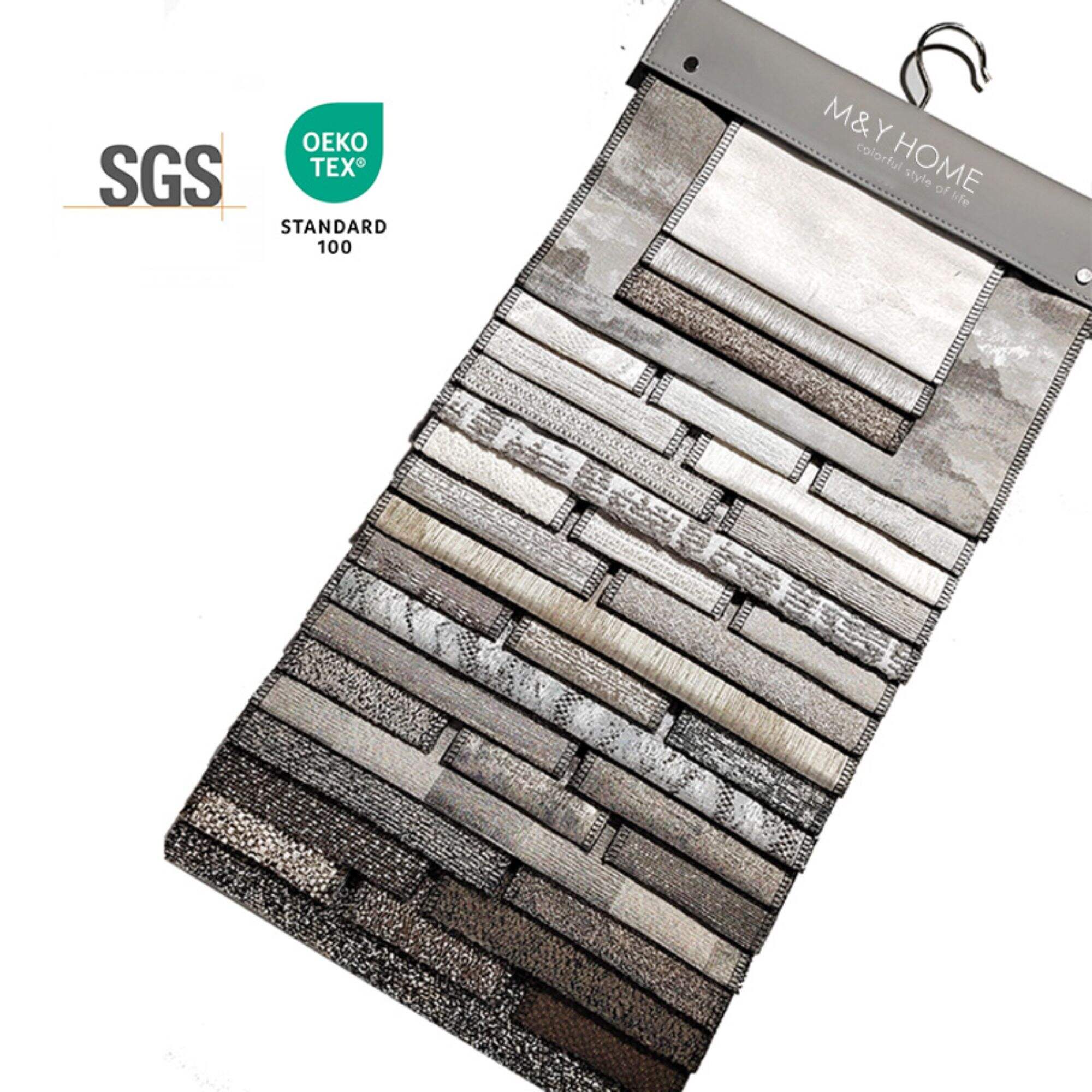
20 Easy Facts for Finding Upholstery Fabric in Lichfield, Walsall and Birmingham
Wiki Article
Why Custom-Made Curtains Are Superior To Ready-Made Ones
This is due to the fact that the choice between readymade and made to measure curtains can be framed as a matter of luxury or cost. It's a common mistake. Custom-made curtains are entirely different from curtains that are mass-produced. They represent a scientific design in your living space that deals with light, volume, proportions and long-term durability. The curtains aren't only decorative curtains for windows They're precision-engineered filters for the environment. This article reveals the ten essential, but often hidden advantages of the custom route, revealing how it leverages local resources, from Birmingham's fabric warehouses to Lichfield's trim experts to solve issues that you did not know your windows had, creating not just curtains but an aesthetically pleasing architectural element.
Discover the 10 most important things to know:
1. The "Reveal", the accuracy of it: architectural integration over window treatments.
The curtains are hung in the vicinity of the window. Custom-made curtains are created to fit into the architecture of the window. The "reveal" is the most important measurement. This is the exact distance of the curtain's edge from the window frame, or wall when it is opened. A skilled designer calculates this down to millimeters to ensure that curtains can be stacked in a neat manner, without blocking views or light. They also are perfectly aligned with architraves. Standard sizes are no longer floating around in a shakey, unstable manner. It requires precise tracking and brackets, an option offered by professionals who are connected to fabric shops located in Birmingham's trade districts, who know about building fabric not just dress fabric.
2. The secret of professional drapery Silhouettes The "Fullness Factor
The main distinction lies in the impact on the eye. The panel that is ready-made is typically flat, and comes with a width-to-rail ratio (fullness) which is at least 1:1. Fullness typically is 2:1 or 2.50:1. Custom-made curtains are made with an ratio of 2:1. If you want to make a 2-meter-long length of curtain rail, you'll need use between 4 and 5 metres of fabric. The excess fabric will be continuously pleated to the header. It produces luxurious and deep folds that flow in an even, natural cascade (called "the stack"), and provides better light blocking. It is essential to conduct precise calculations prior to purchasing fabric.
3. Fabric Sovereignty. Get out of the "Domestics Ghetto".
The vast majority of ready-made curtains are constructed using the smallest selection of "domestics" fabrics. The possibility of customizing opens up the whole world of contract and decorative fabrics. It is possible to select upholstery fabrics for superior light absorption and durability as well as delicate dresses such as silks that are sheer for a subtle luminosity. You can buy a thick wool fabric from the Birmingham trade counter to lessen noise or a linen blend at a Lichfield boutique because of its purity of texture. Choose the fiber weave, weave and finishing depending on your personal taste and performance requirements. Not a factory’s cost-efficiency.
4. The Lining and Interlining Stratigraphy The Building of a Multilayer Windows Engine.
Curtains that are ready-made offer the most basic liner. Custom made curtains are built as an open sandwich. The face fabric is only one layer. A cotton drill lining provides the stability needed and also protects against UV fade. A soft, fluffy layer of wool or synthetic is sandwiched in between the face and the lining. It gives the fabric body, weight and unbeatable thermal and acoustic protection. Even fabrics that weigh less than a pound will feel richer when using this method. This intricate installation, which goes beyond the one-stitch construction that is used in ready-mades, is the standard for an efficient working space.
5. Header Engineering: The Hidden Mechanism behind Hang and Operation.
The curtain's head (where hooks are) is its motor. Curtains that are ready-made utilize standard tapes and pre-spaced s hooks. Custom curtains are created using engineered headers that are hand-stitched deep folds (like goblets, triples or doubles) which are sewn onto the rigid backing of buckram. This lets you control the thickness, width, and shape of each pleat. The type of header you choose is based on fabric weight and pole style. Learn more about this custom-engineered system when you order through the recommended manufacturer of a fabric store.
6. The Hem Weighting: The Art of the Perfect Perpendicular Fall.
A curtain that has a straight, vertical line is weighted. Weights are sewn into the corners of the hems as well as on the sides. The fabric is pulled taut to prevent any inward or forward bow. This makes sure that the curtain will fall from ceiling to ground in a straight line. The subtle, and often subtle, details give bespoke curtains a solid, dependable presence within the space. This is in stark contrast to a panel's often fluttering, insubstantial hang.
7. Alchemy of the Problem-Window Transforming flaws into features.
There are many ways to modify. Do you have an under-sill radiator? Custom-designed solutions include a specific sill-length and the weighted tie-back holdback for directing heat to the area. Window attics with a sloped roof? The curtain rod is bent to the angle. The curtain is cut to match the slope. There are rows of windows with mismatched frames. Create a single track or pelmet. Local Walsall craftsmen, well-versed in the region's mix of Victorian terraces and contemporary extensions, excel in these practical and specific solutions.
8. The Local Ecosystem activation: From the fabric bolts to the finished installation.
Custom-made curtains can help to activate a local crafts ecosystem. The process begins with an online fabric shop in which you can select from a wide print in Birmingham's Rag Market and a subtle linen that is available in Lichfield. The shop may recommend a trusted curtain-maker who can subcontract with Birmingham's metalworker Jewellery Quarter to create a distinctive pole, or a woodturner, for finials. The installer is contacted by the maker who has knowledge of the local wall styles. This local, collaborative chain creates a sense of craft and provides the accountability of the maker. It also creates an item that is deeply rooted and is rooted in the region in contrast to the global supply chains that sell ready-mades.
9. The Longevity Equation – Reparability. Cleanability. Adaptation.
Custom draperies are a long-term investment. They are made to be easily maintained. Fabrics of high-quality can be cleaned by experts without causing damage. Welds and seams are reinforced. Sun-damaged panels can be remade using a single sheet of fabric. The best fabric makers are able to easily alter the curtains to match your new windows. This cyclical, repairable life-cycle is completely opposed to the disposable, just replace the faded model of ready made curtains.
10. The psychological and sensory payoff The Intangible Weight of Perfection.
It's not all about metrics. The smooth, silent glide along a perfectly balanced track. A curtain that has interlinings that extend to the ceiling could provide absolute blackout. The precise way in which the folds shape afternoon light. The certainty that every single detail, from the thread colour to the tie-back knot, was planned. It gives you a sense of peace and tranquility. The result is a natural touch that is applied to the surface. It creates a connection to the maker, place and a cellophane wrapped regular-sized panel. View the best fabric shops for more recommendations including window curtain, window blinds curtains, curtains for a window, curtain fabric online, house curtains, hole in the wall curtains walsall, curtain fabric uk, curtain in the window, curtain poles, curtain in the window and more.
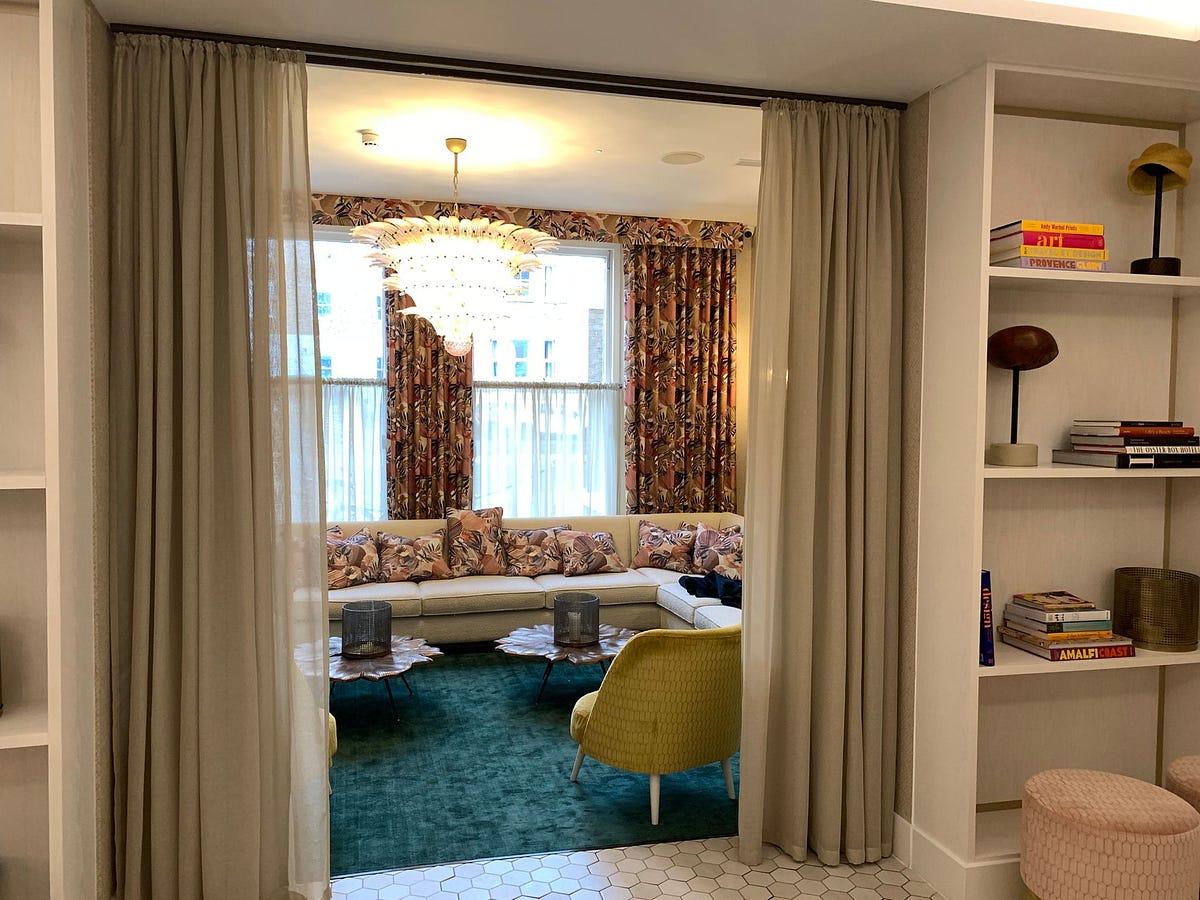
The Midlands Fabric Trail, A Day Of Shopping In Birmingham, Walsall, And Lichfield
Imagine a daylong fabric trail through the West Midlands. This is not just a trip to the shops but an opportunity to explore three distinct textile ecosystems. Each has its own unique perspective of the fabric culture of the region. Moving from the industrial majesty of Birmingham, through the pragmatic tradition of Walsall, to the curated refinement of Lichfield is to grasp the entire structure of a fabric project--from foundational trimmings and bulk until the final, definitive the final flourish. This route was created for serious interior designers and home creators who are looking for everything from durable upholstery fabric to gorgeous dresses fabric by the metre. The route combines the best of each region's strengths into one efficient circuit. Here are ten suggestions to turn this triangular journey from a daunting prospect, into a class for regional textile procurement.
The Top 10 Things You Need to Know:
1. The Chronological Logic: Birmingham (Bulk & vision), Walsall(Practicals & Trims), Lichfield(Curated Finale).
The order cannot be negotiated for efficient logistical and cognitive efficiency. Start your search in Birmingham. If you can you can start by going to the Rag Market. Here you are confronted by prices, size and the possibility. As you browse hundreds of bolts, both curtain and upholstery by the metre, you can determine your project's color scheme and budget. After that, head to Walsall. Once you have chosen the main fabrics, it's time to source domestic fabrics and linings at affordable prices as well as basic tapes. Finish in Lichfield. When all the work is done, relax in its boutiques and find that perfect, unique trim, that exquisite liner material, or that perfect dress fabric that is the ultimate for an accent cushion.
2. The Birmingham "Trade Counter" Gambit: Accessing the Wholesale Layer.
Birmingham's Jewellery Quarter is home to fabric wholesalers as does Digbeth as well as the trade-only section of Birmingham. There are some fabric wholesalers who allow public access on certain days if you have the appropriate knowledge and buy a significant amount of metreage. If you ask courteously in advance, "Does your store allow retail sales on Thursdays?" Unseen warehouses stuffed with upholstery fabrics, automotive textiles, as well as theatre felts, are on the market. Here you will find the tough fabrics needed for custom-designed curtains and furniture.
3. Walsall Leather & Trim is a Must-See.
When you are looking for fabric stores in Walsall be sure to look for shops that have a history of leather goods and equestrian supplies. There, you will find offcuts and rolls of authentic leather as well as high-end faux leather by the metre for prices which are not comparable elsewhere in the region. It is possible to use the leather not only for upholstery. For example the strip or panel of burgundy would look gorgeous for curtain tiebacks. The trims, which include sturdy zips, metal nails threads, and waxed-threads - - are of industrial quality, perfect for projects involving heavy-duty furniture.
4. The "Swatch and Sample Protocol". The process of creating an ever-changing collage.
Never travel with nothing in your possession. Bring a large folder containing paint swatches (not only tiny snippets), wallpaper fragments (not just tiny snippets) and pictures of your bedroom. While you're there, collect huge (not small) pieces of paper at each store. The shop's name and price-per-metre on the sketchbook's page. The "trail collage", which is a physical object can let you observe the interaction in real-time between the Birmingham jacquard and the Lichfield trim.
5. Lichfield's "One-Bolt Wonder" Philosophy The Art of the Special Accent.
Enter the Lichfield's store with a need for a particular final layer. You won't be able to buy 30 meters of fabric for curtains. Inform them instead: "I have teal velvet in Birmingham however I require antique gold bullion for the leading edge." Or "I only require two metres of beautiful, heavy silk to make a statement cushion for my Walsall linen sofa." The low-metreage but high-impact solutions are their forte. They are transformed from an essential source of information to the primary source of punctuation in the design of your sentence.
6. Transport & Packing Strategy: The Roll Do Not Fold Rule.
Be prepared for handling the logistics. Bring large, sturdy IKEA baggies and masking tap. If you buy fabric in metre lengths ensure that it is placed on a cardboard tube, not folded. Fabrics like heavyweight curtains and upholstery may get wrinkles if you fold them. To roll Lichfield's smaller pieces well, use a masking tap to wrap them around newspapers. Make sure to keep a separate bag for trimmings and other items to prevent being snatched. A compact granny trolley, though not glamorous can be a useful asset to use on the Birmingham market leg.
7. Interlining: A single purchase that covers all stops.
The fluffy interlining that gives custom made drapes over their bodies is essential. Check the cost and quality with the trail. Birmingham's trade counters will offer the rolls in a variety of weights. (Best for large projects). Walsall stores might offer it at a great cost by selling it by the millimetre. Lichfield boutiques could only stock the finest wool or silk/cotton blends. You can ask for samples in every shop. By comparison of loft and weight you will be able to make an informed choice on the best location to get this vital component.
8. The Makers Liaison Tactic Making use of the Trail to serve as a briefing Tool for Your Artist.
You must include the curtain maker as well as upholsterer as part of your plans. Show them the intended route. You might be provided with an "shopping guide" that includes technical specifications: "If it is a wool mix, make sure the weight is at least 335gsm." "Avoid all curtain material that has a backing composed of plastic." Additionally, they might recommend certain shops or contact numbers within Birmingham. This will make your hunt a targeted mission to find the perfect fabric to save money and avoid costly mistakes.
9. Structure Your Day for a Fresh Start Take a break "Palate Cleanser Break"
Shopping for fabrics, particularly in Birmingham's sensory-overload market, leads to tiredness and poor decision-making. Plan a "palate cleanser." If you are driving towards Walsall from Birmingham, consider taking your lunch break at a quiet café or park instead of a crowded food court. Set aside a mid-afternoon coffee coffee at Cathedral Close before Lichfield. These breaks are a great opportunity to lay out your swatches on neutral daylight, re-evaluate your initial excitement in a calm manner, and then head to the next location with fresh, objective eyes, avoiding impulse purchases that aren't compatible.
10. The Next-Day Review prior to Cutting The post-Trail Consolidation routine
When you leave the office, your work isn't done. In the next day, spread every purchase (swatches or receipts, etc.) out over a big area. It is essential to look at the product in its entirety. It may turn out that your brass trim is exactly right but the lining is just too hot. Every town has its own distinct characteristics, and the trail allows you to benefit from the best of each town. It is also possible to make any last minute changes at a local store.