The Local Homeowner's Guide to Right Blinds
Wiki Article
Blinds As Sunscreens To Protect Your Home And Comfort
The sun is the principal currency of Australian homes. Its warmth is a favorite, however, it also has its harsher aspects. Ultraviolet radiation as well as intense heat can cause a rug to become faded and transform your living room into a hot afternoon. The choice of blinds is not merely a matter for aesthetics and privacy, it's about protecting the surroundings. Your blinds are the primary shield you have against the Australian sun. Knowing the various materials' ability to manage the sun's heat and UV is essential to maintaining your interior. It will also help you maintain your level of comfort and budget. It's about choosing an appropriate barrier, not simply a covering.
The attack on our windows can be seen in two different varieties. In Australia UV radiation is regarded as the most powerful in the world. The invisible energy doesn't just cause a sunburn, it also breaks down molecular bonding in textiles and dyes. It's this silent force that discolors artwork and photos in glass, making vibrant cushioning in red to pink. Second solar energy gain or infrared, transforms glass into a radiant heating device. The solar heat gain could overwhelm your home, forcing the air conditioners to operate at high speeds and causing a rise in your electric bills. Blinds that offer just shade won't win half the battle. The most effective blinds are specifically designed for the control of heat and light.
The range of protection begins with simple light filtering. Simple fabrics such as Roman blinds and roller shades minimize glare and provide privacy. They offer only a small amount of protection against heat and UV rays. They function as a barrier against sunlight but not your eyes. To be truly protected, you must look to specific materials and weaves.
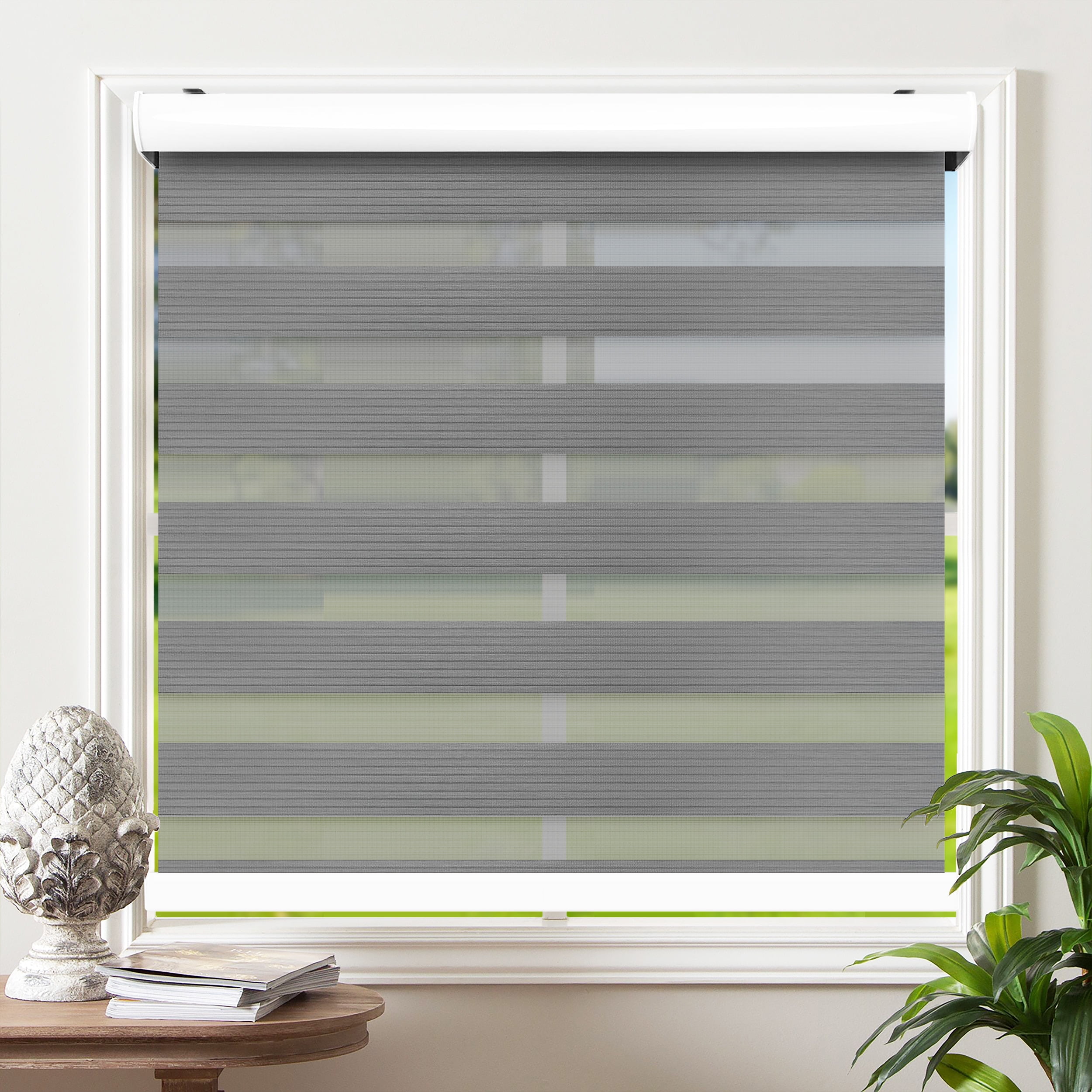
First, the filter or the sunscreen weave. It's a high-quality product, often a synthetic mesh covered with PVC or another substance. The genius of this fabric is its exclusive filtering. It disperses direct sunlight and transforms it into a pleasant light. While blocking UV rays that could be harmful the device blocks as much as 90 percent of the harmful UV rays. It's like a pair of high-quality sunglasses that last forever. If you are looking for a room that needs light, but without causing damage - living areas, home offices, sunrooms--this is the intelligent, modern choice. The effectiveness of the fabric is determined by its Openness Factor (the percentage of open space within the weave) and also its UV Blockout rating; a experienced supplier will provide this technical data.
Blockout materials are perfect for scenarios that demand total defense. They're strong and tightly woven. They're almost always covered with a layer of acrylic. They provide nearly total (99.5 percent or more) blockage of both light and UV rays. The darkroom effect they create when fully lowered is essential for bedrooms or media rooms. The main benefit they provide is their thermal insulation. In creating an air-tight barrier, they reduce the transfer of heat dramatically, keeping summer warmth and winter heat inside. The most modern models have reflective or metallic frames that actively blocks sunlight from the glass.
Structural design also plays a starring role, exemplified by honeycombs or cellular blinds. These blinds made of hexagons are engineering marvels. These vertical air pockets create an insulation layer which slows the movement of heat. It's like double glazing for your blind. They provide superior UV protection because of their thick fabric walls. They also provide top thermal performance all year round. This keeps interiors warmer and cooler during the summertime. They are the most efficient in energy efficiency.
You should always examine the composition and treatment, not just the color that is visible from the front. Ask questions about the treatment and composition. Synthetic fabrics that are dyed with solution (like acrylics and polyesters) have colour embedded in the fiber, making them inherently more fade-resistant than fabrics where dye is applied directly to the fabric. Look out for UV-inhibitor treatments added to the fabric during its production. When it comes to PVC or vinyl blinds the thickness and quality of the fabric determine its durability and strength under continuous sun exposure.
It is important to shift the conversation with the seller from one of subjective ("I like this color") to a more objective approach. Ask questions that reveal more: "What percentage of UV protection does this fabric have?" "Does it have a thermal or reflective backing?" What's the anticipated fading time of this product for windows that face north? The provider you choose should be able to answer these questions. They may also ask about the direction your window is facing and what type of material that you wish to install. They understand that a blind for a south-facing bedroom as well as one that is for a lounge that faces north with a silk sofa require different guidelines.
Fit and operation is the most important factor. It's often underestimated. The gaps can cause damage to the most sophisticated material. To avoid fading, a professional installation makes sure that the blind is installed properly. In addition, how easy it is to use the blind will determine how frequently you deploy it. A blind that is bulky will stay open often, defeating its intended purpose. The smooth, motorised, or cordless operation makes it easy to use and not just as an exercise.
Long-term investing in blinds that provide UV and thermal protection is the best option. This is an investment over the long run which will help preserve your furniture, artwork, and flooring. It's an investment in efficiency, decreasing your stress on your cooling system and reducing the cost of electricity. And it is an investment in liveability--creating comfortable, glare-free spaces that are a joy to inhabit throughout the day's changing light.
In Australia, where the sun is a constant and powerful presence, blinds are much more than just a fashion statement. Blinds are an integral part of your home's temperature control system. When you choose the appropriate material, you will be able to let in the light on your own terms, enjoy your view without spending a lot, and keep the colors of your house vibrant for years to come. Shade is a smart tool that can be used to create a comfortable and sustainable life. Follow the best blinds for site tips including aq blinds, made to order blinds, direct online blinds, online blinds, order blind slats, cheap blinds australia, blinds place, blinds direct installation, window treatments for, blinds to go blinds and more.

The Real Test What Happens After Your Blinds Are Fitted
The moment of the installation is typically the final step of the Australian blinds' business. The boxes have been unveiled and your windows have been adorned with new furniture, then the installer takes off. But for a product that is used daily and exposed to the harsh sun, and expected to last for 10 years or more the moment you are in isn't an end, but rather the beginning of the supplier's true responsibility. The after-sales services, usually not covered in the purchase contract, is an essential element. It encompasses the quality of the installation, the guidance for ongoing care and the commitment for repair or adjustment in the event that things require attention. This is where a transaction transforms into an ongoing relationship and when the true nature of a supplier is revealed.
Installation is the most important and the first pillar of service following sales. A professional installer is not just a fitter; they are the final quality controller. The quality of their work will directly affect the lifespan and performance of your blinds. If you select an accredited company that installs blinds, they will be an employee of that company or a subcontractor who has a proven track of performance. Not simply a random individual hired through an online portal. They arrive with the right tools for your home's substrate whether it's double-brick steel stud, or concrete. Not only do they install all mandatory safety equipment for children, but provide you with the required parts. They teach you how to properly operate the blinds and also the proper method to fix cords onto cleats and program the remote. They then clean up the mess and make sure there's no dirt. When they leave, they must leave a point of communication for the next time, like a direct telephone number or an email address for the local office. This is your first encounter with after-care.
When the installer leaves, the second pillar emerges and provides proactive maintenance tips. Blinds aren't something you just "install and forget". The way you clean and care for them will determine their life span. A provider who is committed in your future happiness will not leave it up to chance. They should offer explicit, written instructions on how to care for your furniture specifically tailored to your specific materials. These aren't general rules however, they should be specific advice. For example they may advise you to avoid using oils-based cleaning products for Venetians or wood Venetians. Or how often you should vacuum honeycomb blinds in order to ensure that dust doesn't build up in their cells. The experts may suggest seasonal adjustments like the checking of cord tension in summer, or making sure that motorized shutters are in charge. This is a safety step to prevent you from having issues like premature wear of the blinds, or disputes about warranties. It highlights a vendor who views blinds in an overall perspective instead of a quick sale.
You'll eventually require access to repair support even if you've installed and maintained your product correctly. It could be a frayed cable or a motor that is sluggish, or a damaged slat. The final test is to determine your supplier's attitude towards after-sales. Is there a responsive and local customer service team? A reputable company will have a dedicated service coordinator or a familiar local contact who knows the background of your work. They should be able to diagnose issues on the phone, send technicians who carry components that are commonly used, and honour warranties without arguing. The alternative--a supplier who subcontracts repairs to a fictitious third-party handyman or directs you to an offshore manufacturer's website--creates frustration, delays, and often, a substandard repair.
This is particularly important for motorised systems as well as intelligent systems. Technology adds another level of complexity. Does the company have a qualified technician who can determine the connectivity issues between your blind motor and your home hub? Are they able to replace a battery pack, or update firmware efficiently? Their capability to offer after-sales service must be comparable to the product they sell. If you are selling automation without the technical support required to maintain them then you may be in trouble.
When vetting a supplier, your enquiry must probe this after-sales landscape. Don't just ask "Is the warranty for installation and installation included?" Ask specific, scenario-based questions. "If there's an issue after six months of the installation of a blind, what do I do?" Who should I call first? Do you have spare parts in your local area for your motor system or do you order parts from overseas? "Do you charge call-out costs for repairs covered by warranty?" They will be able to determine if they're prepared based on their responses. A confident and concise answer that provides an address for a local representative, a commitment to prompt service, and an outline of a direct contact is an excellent indicator.
Peace of mind and longevity are the most important aspects of a solid after-sales service. It safeguards your investment. Blinds that can be easily adjusted and repaired by the original supplier will last longer than blinds that become inoperable when a minor problem occurs. This will also save you cash by avoiding expensive replacements for what could be minor repairs.
This long-term perspective is crucial in the Australian market where houses are built to last decades and interiors represent significant investment. The supplier with an actual showroom with a team of local installers, and a known reputation in the community is naturally more accountable. They provide a full service offering, from skilled fitting, expert advice and dependable repair. You're choosing a supplier that will be your partner for the life of your blinds. You'll be ensuring that the picture you cherish today remains flawlessly framed for future years with the peace of mind that should a cord break or a remote fails, a simple, local call can set the issue right. This is the most crucial clause of your contract, but it's not written down.